Opera House Visit: How to Master Your First Night at the Opera

Reading time: 9 minutes
A trip to the opera house can feel intimidating if you've never been. Many sugar babies know this exact moment: your sugar daddy suggests an evening at the state opera, and you wonder whether your little black dress is too plain or whether applause between acts is allowed. The good news: with the right preparation, your first night at the opera becomes a confident experience instead of a stressful one.
Cultural events like an opera performance are part of an upscale lifestyle and offer the perfect chance to show off your elegance and sense of style. In this guide, you'll learn exactly what dress code applies in German opera houses, what a typical opera evening looks like and which etiquette rules really matter.
The Right Opera Dress Code for Different Occasions
The dress code varies depending on the opera house and the performance. A premiere gala at the Bavarian State Opera in Munich calls for stricter attire than a Sunday morning matinee. In general, there are three categories to keep in mind for an opera house visit.
For premieres and gala performances, evening wear is the norm. For you, that means a floor-length evening gown or an elegant knee-length (or longer) cocktail dress, combined with high-quality accessories. Jewelry should sparkle subtly, not look over the top. Closed-toe pumps with a mid-height heel are the safe choice, since you'll be on your feet a lot at the opera house.
Regular evening performances allow semi-formal attire. A smart dress, a high-quality pantsuit or a combination of blouse and elegant skirt all work perfectly. The Vienna State Opera explicitly recommends "neat clothing" on its website without specific requirements, which gives you some room to play with.
For matinees and afternoon performances, smart casual is enough. A quality blazer over a simple dress or elegant trousers with a silk blouse are appropriate. Sneakers and ripped jeans stay in the closet, even if in theory nobody will deny you entry.
Practical Details for Planning Your Outfit
Plan your outfit with the climate in mind. Opera houses often have a coat check where you can leave jackets and coats. The Deutsche Oper Berlin, for example, charges a mandatory coat check fee of 1 euro per item. Bring a small evening bag that fits at your seat, since large handbags are impractical in the cramped seating area.
Choose comfortable shoes with a stable fit. Many opera houses have stairs and historic floors. The staircase of the Semperoper Dresden with its 55 steps is legendary. After three hours of sitting, you don't want to head home on aching feet.
The Typical Flow of an Opera Evening
An opera house visit follows a clear structure. Most performances begin between 6 and 8 p.m. Plan to arrive at least 30 minutes before the performance starts. That gives you time for the coat check, a look at the program and a first impression of the ambiance.
After you enter, staff will check your tickets. Be sure to buy a program for 5 to 15 euros. It contains the plot, information about the composer and the production, and the exact intermission times. Without a program, you quickly lose track of the story, especially with works performed in the original language with surtitles.
About 15 minutes before the start, the first bell rings. The second bell sounds 10 minutes before the start, the third 5 minutes before. By the third signal, you should be in your seat. Entering late during the performance is not permitted in most houses.
Using the Intermissions Strategically
Most operas have one or two intermissions of 20 to 30 minutes. This time isn't just for relaxing, but also for socializing. The intermission foyers are deliberately spacious. At the Hamburg State Opera, for example, you can look across to the Elbphilharmonie while sipping a glass of champagne.
Orders at the intermission bar often work through a pre-order system. You place your drink order before the performance and pick it up at the reserved counter during the break. This saves waiting time. Expect prices between 5 euros for water and 12 euros for a glass of champagne.
The intermission is also your chance to use the restroom. Allow for waiting times, especially during the first break. The women's restrooms are often crowded. If there are two intermissions, use the second one when possible.
Important Etiquette Rules at the Opera House
Silence during the performance is the number one rule of an opera house visit. Turn your phone completely off, not just on silent. Even a glowing screen is distracting in the darkened auditorium. The Bavarian State Opera's house rules include a strict ban on photography and filming during the performance.
Applaud only after arias or acts have fully ended. With some works, applause in between is part of the tradition; with others, it breaks the artistic atmosphere. Take your cue from the audience around you. As a rule of thumb: when the music pauses and the singer steps forward, applause is appropriate.
Don't leave your seat during an act. If you absolutely have to use the restroom, wait for an intermission. The ushers won't let you through while the music is playing. The same applies to late arrivals – you wait in the foyer until the first intermission.
Small Gestures with a Big Impact
When you walk to your seat and have to pass people who are already seated, face them as you go by. That way, you avoid turning your back on them. A quiet "excuse me" shows good manners. This attentiveness sets you apart in a positive way from less experienced visitors.
Candy wrappers rustle unpleasantly loud in the silence. If you need cough drops, unwrap them before the start and keep them within reach. Many opera houses offer free candy at the entrance, already unwrapped in small bowls.
Don't leave the hall right after the last note. Wait for the curtain call and the applause for the artists. Leaving early is considered disrespectful toward the performance on stage. The standing ovation at the end of great performances can last 10 to 15 minutes.
Preparing for Your First Opera
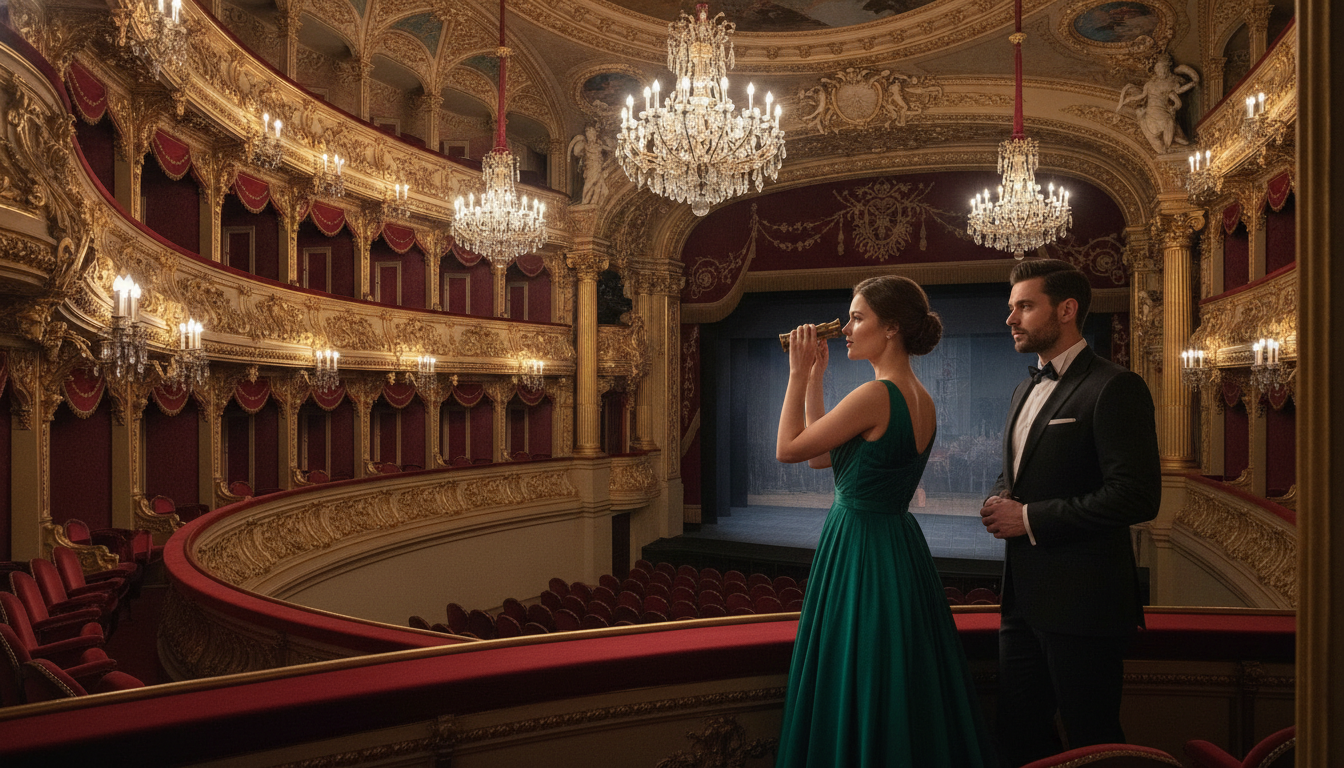
Read up on the piece beforehand. Wikipedia offers good plot summaries. YouTube has full recordings of many well-known operas. A 10-minute video about "La Traviata" or "The Magic Flute" helps you follow the story, even if you don't understand the language perfectly.
Most German opera houses show surtitles on LED displays above the stage. These show the German text even for Italian or French operas. The surtitles follow the music with a slight delay. So you don't have to keep looking up, and can focus on the stage.
Book seats in the orchestra or the first tier for your first time. From there, you have the best view and acoustics. Balconies at the very top are cheaper, but the distance from the stage and the steep stairs can be uncomfortable. Expect prices between 40 euros for standing room and over 200 euros for premium seats.
Developing the Right Expectations
An opera usually lasts between 2.5 and 4 hours including intermissions. Richard Wagner's "Ring of the Nibelung" stretches over four evenings with about 15 hours of music in total. To start, choose shorter works like "Hansel and Gretel" or "The Barber of Seville," which run about 2 hours.
Not every production follows traditional aesthetics. Modern directors often move the story to other eras or reinterpret it radically. The plot of "Carmen" is classically set in 19th-century Spain, but it can also be placed in a modern industrial area. Read reviews of the specific production to avoid surprises.
How an Opera House Visit Strengthens Your Cultural Literacy
Cultural education is part of the lifestyle of many successful people. A night at the opera shows that you move in upscale circles and appreciate classical art. This experience opens doors to conversations about productions, composers and cultural trends.
The link between cultural participation and social status is scientifically documented. A 2019 study from the University of Zurich showed that regular opera-goers have, on average, a higher level of education and more social capital. That doesn't mean opera should be elitist, but in practice it is perceived that way.
Use the opportunity to expand your network. Opera intermissions are perfect for casual conversation. Many businesspeople and culture enthusiasts regularly attend the same performances. A polite chat about the production can lead to interesting connections.
Special Occasions and Premiere Parties
Premieres are the social highlights of the opera calendar. They draw celebrities, cultural figures and sponsors. The dress code is stricter and the atmosphere more charged. After the performance, there is often a premiere party that only invited guests may attend.
If your sugar daddy arranges tickets for a premiere, expect a longer evening. The performance usually starts earlier, around 6 p.m. After the final applause, a reception with catering often follows. So don't plan any other appointments for the same evening.
For season finales and anniversaries, opera houses host special galas. The Berlin State Opera celebrated its 275th anniversary in 2019 with a gala where ticket prices reached up to 500 euros. Events like this are networking opportunities and cultural highlights at the same time.
From the Opera to Other Cultural Highlights
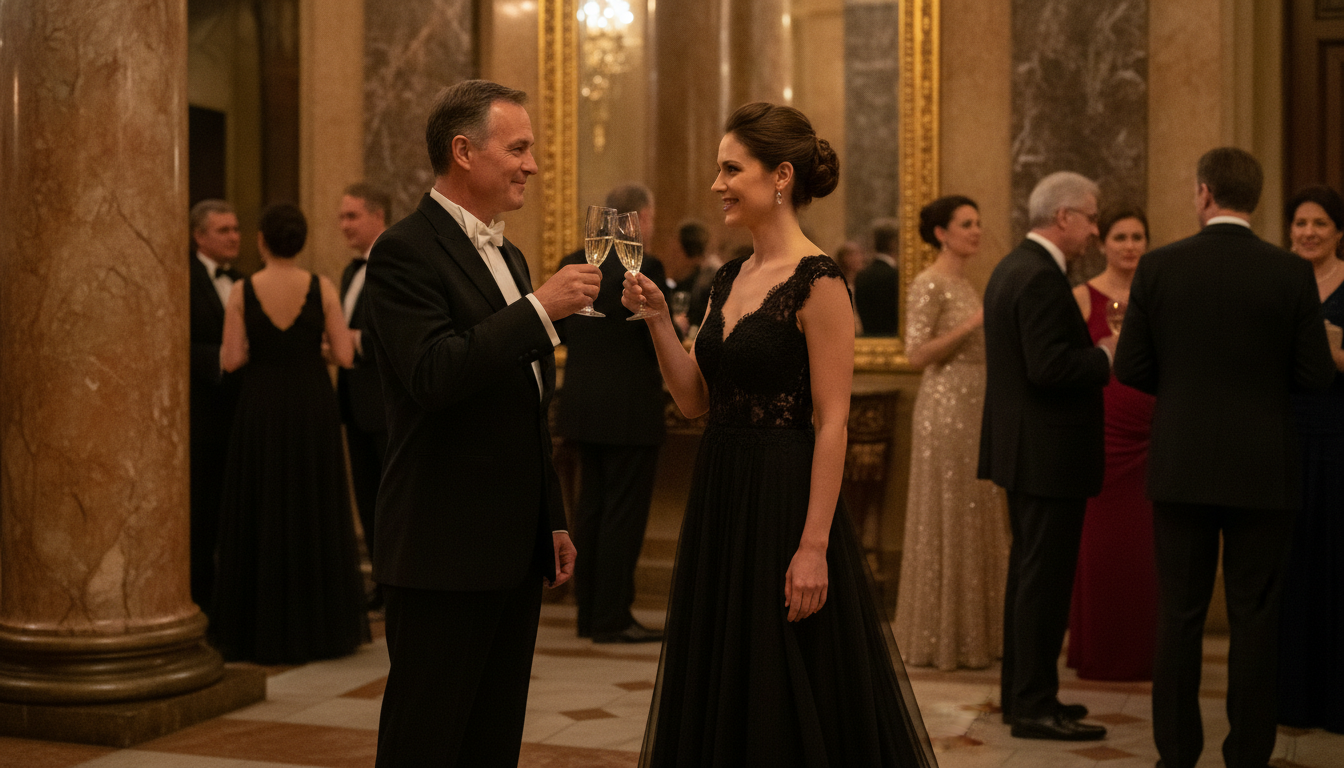
The etiquette and dress code for an opera house visit apply in much the same way to other classical cultural events. Concert halls, ballet performances and upscale theater productions follow the same principles. You can carry your opera experience straight over.
Much like a visit to a Michelin-starred restaurant, the opera is also about striking the right balance between enjoyment and etiquette. Both worlds demand preparation and attention to detail. Table manners at an upscale dinner and opera house etiquette have in common that they express respect and a sense of style.
Use cultural occasions as opportunities for personal growth. Every opera house visit broadens your horizons and gives you new topics of conversation. Art and classical music offer an emotional depth that goes beyond superficial entertainment.
Frequently Asked Questions About Visiting the Opera
Do I need to know the plot of the opera beforehand?
No, but it helps enormously with understanding. Most opera houses offer surtitles that translate the text. A quick look at a summary beforehand makes the experience more intense and lets you follow the story better.
What do I do if I have to cough during the performance?
Suppress the cough if possible until a louder passage of music. Keep a tissue handy and turn slightly away from your neighbors. If the cough persists, leave the hall discreetly and return at the next intermission.
Can I go to the opera alone as a beginner?
Absolutely, many opera-goers attend performances alone. Single seats are often cheaper and let you focus fully on the experience. The sense of community in the audience and the atmosphere make going to the opera alone an enriching experience.
How early should I book tickets?
For popular productions and premieres, book at least 4-6 weeks in advance. Many opera houses offer subscriptions that give regular visitors priority access. Last-minute tickets are sometimes available at the box office on the day of the performance.
What does an average night at the opera cost in total?
Expect 60-150 euros per person for a ticket, coat check, program and intermission drinks in mid-range price categories. Premium seats at in-demand performances can be considerably more expensive, while standing room and student tickets are cheaper, starting at 10-20 euros.
Conclusion: Your Confident Start in the World of Opera
A successful opera house visit combines the right preparation with open curiosity for the art form. The right dress code shows your sense of style, and knowing the etiquette shows your cultural competence. With this knowledge, you'll walk into your first performance with confidence and enjoy the experience instead of worrying.
Start with a well-known work in an accessible opera house. Read up on the plot beforehand, choose your outfit deliberately and allow enough time for getting there and the coat check. The combination of live music, stage design and performance makes every opera house visit a unique experience.
Use the opportunity to expand your cultural education and feel at ease in upscale circles. Book your first performance now and find out for yourself why opera has fascinated and connected people for centuries.